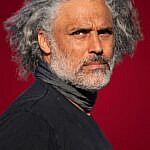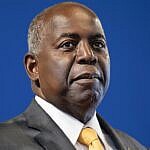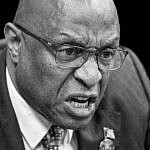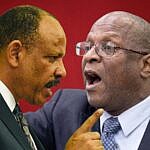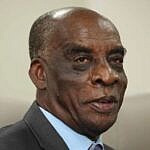



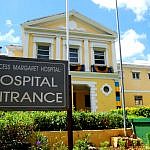



In the bustling world of Bahamian politics and healthcare, few figures embody the tension between public service and personal ambition quite like Dr. Duane Sands. As the current Chairman of the Free National Movement (FNM), Dr. Sands—a renowned cardiologist—has been a staple in both medical and political circles for years. However, recent observations and public records suggest that his passion for politics may be overshadowing his commitment to his medical profession, particularly his practice at Princess Margaret Hospital (PMH) in Nassau.
Dr. Sands, who has served in high-profile roles including former Minister of Health under Prime Minister Hubert Minnis, has a distinguished medical background. He completed his residency in Michigan and returned to The Bahamas in 1994, where he worked as a consultant physician at Princess Margaret Hospital, eventually becoming Chief of Surgery. He has also held positions such as Vice President of Medical Affairs and a member of the Board of Directors at Doctor’s Hospital, and he continues to practice as a cardiothoracic and vascular surgeon there, as well as at the Cardiothoracic and Vascular Institute of the Bahamas Ltd. His expertise extends to public practice, where he performs surgeries at facilities like the Rand Memorial Hospital in Grand Bahama, traveling there twice a month.
Yet, despite this impressive resume, it appears Dr. Sands is more engrossed in the cutthroat arena of politics than in the operating room. As FNM Chairman, he has been vocal and active, frequently issuing statements criticizing the current Davis administration on issues ranging from healthcare shortcomings to environmental policies. For instance, he has repeatedly slammed the government’s plans for a new $290 million hospital, calling it a “historic blunder” and urging focus on existing facilities like Princess Margaret Hospital. His political engagements include press conferences, social media activity, and leadership in party affairs, which seem to dominate his public persona.
This shift raises questions about his dedication to medicine. While Dr. Sands maintains an active practice, his political commitments appear to take precedence, potentially neglecting his civic duty as a doctor to prioritize patient care. In a country grappling with healthcare challenges—such as drug shortages, underutilized operating theaters, and staffing issues that he himself has highlighted—it’s concerning when a leading physician seems more focused on partisan battles than on healing. Critics argue that his time in the spotlight as FNM Chairman, including his resignation as Health Minister in 2020 amid controversy over a flight fiasco during the COVID-19 pandemic, indicates a deeper inclination toward politics over his field of study in cardiology.
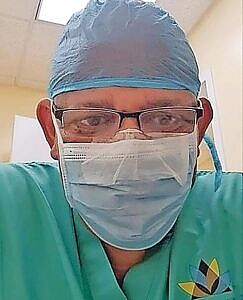 Adding fuel to the fire is the issue of compensation and work hours. In The Bahamas’ public healthcare system, there have been longstanding concerns about clinicians who are handsomely paid yet work minimal hours—sometimes as little as five to seven hours per week, despite contracts for 20 hours. Ironically, Dr. Sands himself, as Health Minister in 2018, called out “non-performing clinicians” for such practices, declaring that “time is up” for those exploiting the system. Yet, with his extensive political duties, one must wonder if he is adhering to the standards he once enforced. Reports and his own statements suggest he is still compensated generously for his medical roles, potentially working less than 20 hours a week at Princess Margaret Hospital while devoting the majority of his time to FNM activities and political commentary. This arrangement, if accurate, highlights a potential double standard: a doctor paid handsomely for part-time work, all while the public healthcare system he critiques struggles with overworked staff and underfunded resources.
Dr. Sands’ journey from the operating table to the political podium is not unique, but it underscores a broader issue in Bahamian society—where talented professionals in critical fields like medicine are drawn into politics, sometimes at the expense of their primary calling. As a cardiologist, his skills are vital in a nation facing rising rates of heart disease and other non-communicable illnesses. Neglecting this civic duty to chase political power not only shortchanges patients but also erodes public trust in both healthcare and governance.
The Bahamas deserves leaders who balance their ambitions with their responsibilities. Dr. Sands has undoubtedly contributed to both fields, but it’s time to ask: Is he a doctor first, or a politician? The evidence leans toward the latter, and that’s a diagnosis our healthcare system can’t afford.
More from HEALTH
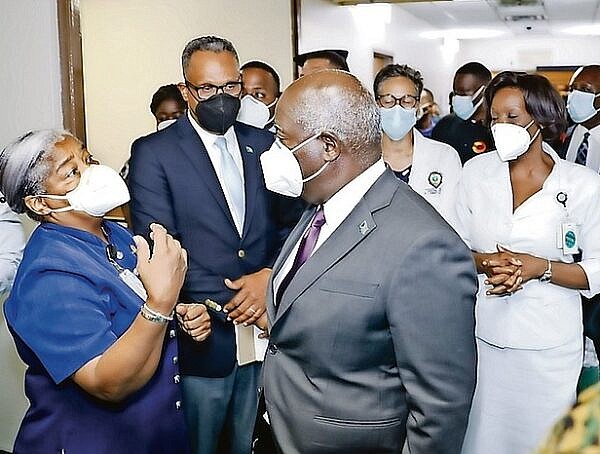
Health Minister Reports Spike in COVID Cases with New Variant in The Bahamas; Prime Minister Urges No Emergency Measures
In a recent statement, The Bahamas' Minister of Health, Dr. Michael Darville, has alerted the nation to a significant increase …
Construction to Commence on Climate-Friendly Clinics & Hurricane Shelters in The Bahamas
Health and Wellness Minister Dr. Michael Darville has announced plans for the construction of nine new clinics in The Bahamas. …

An apple a day keeps the doctor away
You may be familiar with the old saying ‘an apple a day keeps the doctor away’, but is there really …