









There is a particular kind of cruelty that hides behind procedure. It wears a dress, quotes policy, and insists it is “just following the rules.” But make no mistake, when authority is exercised in ways that punish excellence and reward incompetence, it is not neutrality. It is abuse.
Across the public service, and disturbingly within the Ministry of Education, a pattern has emerged that should alarm every citizen who believes hard work still matters. Dedicated professionals, people who have given decades of their lives to this country, are being sidelined, stalled, and humiliated, while others leapfrog ahead on the strength of credentials alone, absent performance, competence, or accountability.
Consider the case that so many insiders quietly whisper about. A woman who has given 44 years of unbroken service and was also a secretary to the Public Service Commission. She worked her way through the ranks when nothing was handed to her. She laboured through illness. She sacrificed family time, personal comfort, and opportunities elsewhere because she believed in service. She knows the system so well that she can practically run her department in her sleep. And for decades, she has performed at the highest level.
Yet she is held down.
Why? Not for lack of competence. Not for lack of output. Not for lack of commitment. But because she lacks a piece of paper, which is so easy to get these days, they can take the exams online with someone else. Give me a break.
Meanwhile, individuals armed with degrees but unable to demonstrate basic professional literacy, manage staff, or produce results, are promoted, protected, and elevated. Some cannot write a coherent sentence. Some cannot find the subject and predicate in a paragraph. Some struggle to perform the very functions they are paid to oversee. Yet they rise.
This is not meritocracy. It is credential worship.
The question that must be asked, loudly and repeatedly, is this: What exactly is the promotion criteria? How come no one can quote what the government’s policy is about promotion? Is it possession of a degree alone? Is performance irrelevant? Is institutional knowledge worthless? Is sacrifice invisible?
If the system demands a degree, does it also demand productivity? If someone does no work, should they still advance? And must those who actually carry the ministry, who keep the engine running, bow their heads and allow others to plant their feet on their necks?
You be the judge.
What makes this even more troubling is the silence, or, worse, the indifference, at the top. Within the Ministry of Education, decisions are being made that defy common sense, basic fairness, and any reasonable understanding of leadership. One is left wondering whether those entrusted with oversight are unwilling, or unable, to see the damage being done.
Is the light on, but nobody is home?
These are not abstract consequences. These decisions have caused irreparable harm to morale, livelihoods, and lives. They tell every young public servant watching that loyalty does not matter, excellence is optional, and endurance is a liability. That is how institutions rot from the inside.
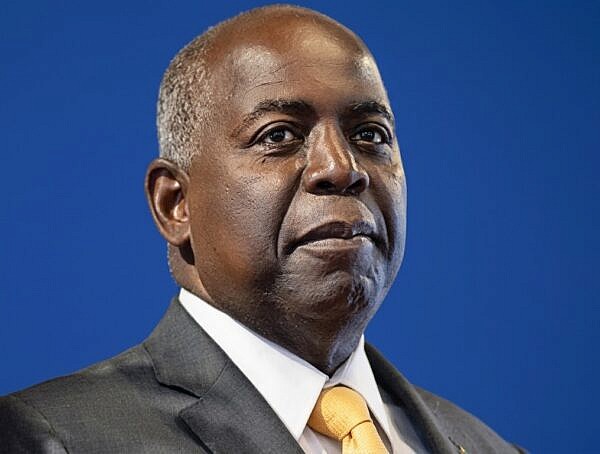
Prime Minister Philip Davis himself acknowledged not long ago that there are individuals in the civil service who are retarding growth and creating unnecessary stress where none is warranted. He was right. But acknowledgement is not enough. Action must follow.
If those in authority in education lack the courage to do what is right or the judgment to distinguish competence from credentials, then they are not leaders. They are obstacles. And obstacles do not get negotiated with; they get removed.
The most disheartening revelation is that this same top official in the Ministry of Education has been holding back promotions and shuffling in people with degrees with no experience, overriding the professionals who have been doing a yeoman’s job with the greatest enthusiasm.
There are constant complaints that significant promotion to key management has been promised but ignored in favour of inserting friends. These practices are killing morale in the ministry. What kind of individual gets satisfaction from frustrating her top brass?
Is the top lady in education only looking out for a special group of ladies or friends?
It is time to send home those who have confused power with entitlement and procedure with wisdom. The public service cannot move forward with people sitting at the controls who are slowing the engine of progress.
A system that punishes its best people is not broken by accident. It is broken by choice. And choices can, and must be corrected.
More from LOCAL

Garden Hills asking, “Is Rick Fox Unstable & Broke?” Something is not right.
The Fox in the Garden: A Question of Intent or Necessity? The political landscape of The Bahamas is no stranger to …
NO MORE TURNING BACK! LET US MOVE FORWARD TOWARD PROGRESS!!!!
The Case for Continuity: Why The Bahamas Must Break the Cycle of "Stop, Review, and Cancel" Progress is rarely a sprint; …

How the GBPA’s “Sign Ban” Handed Pintard an Unfair Advantage
For decades, the rhythm of Bahamian democracy has been visual. From the moment an election is called, our streets transform …