




The Mirage of the Magic City: Unmasking the Port’s Velvet Chains
For decades, a seductive whisper echoed through the pine barrens of Grand Bahama: “You are different. You are better.” The Grand Bahama Port Authority (GBPA) didn’t just build a city; they shaped how people saw themselves. They created a psychological border, a mental divide stronger than any physical fence, making Grand Bahamians feel like a special group within The Bahamas. This was the “Magic City” myth—a carefully maintained story of superiority. It was meant to distract, while the Port Authority quietly operated as its own private power. By convincing people they were part of a privileged “country within a country,” the GBPA didn’t just win their loyalty; they made sure the people stayed compliant.
The Psychology of the Golden Handcuffs
The trick was brilliant in its simplicity. By providing infrastructure that—for a time—surpassed the capital, the Port fostered a sense of exceptionalism. Grand Bahamians were told they weren’t just citizens; they were “stakeholders” in a corporate utopia. This manufactured pride was the ultimate sedative. While the people were busy looking down their noses at Nassau, the Port was busy tightening its grip on the “lifeblood” of Freeport.
We became a people who looked to a boardroom, not a Parliament, for our salvation. We became puppets of the Hawksbill Creek Agreement, trading our national sovereignty for the convenience of well-paved roads. But as the “Magic” faded and the paint began to peel, the reality emerged: the Port hasn’t been a steward; it has been a scavenger. The deterioration of Freeport isn’t an accident of economics; it is the natural conclusion of a colonial-era model designed to extract wealth rather than empower people.
The Status Quo in a New Suit
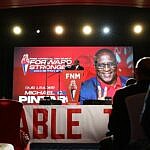
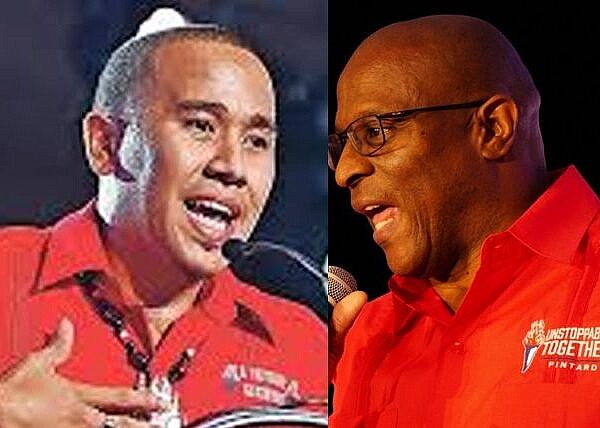
Nowhere is this deception more evident than in Michael Pintard’s recent posturing. His utterances reveal a man who has been “paid handsomely” to protect the very structures that are strangling his constituents. At a recent Town Meeting, the mask slipped. His suggestion to “keep the Hawksbill Creek Agreement in place, just change the names” is a staggering admission of complicity. It is a plea to keep the status quo in a slightly more modern suit.
To suggest that we simply “rename” the tools of our own marginalization is an insult to every Grand Bahamian who struggles under the weight of an electricity bill that rivals a mortgage. It is the rhetoric of a man who wants the destruction to continue because it serves the interests of his masters. Prime Minister Philip Davis said, “We’re here to change the status quo!”
Breaking the Power of the Albatross
In contrast, we see the first flicker of genuine liberation. Minister Ginger Moxey’s resolution in Parliament to explore the government’s purchase of the Grand Bahama Power Company is more than just a policy shift—it is an act of decolonization.
The high cost of electricity is the albatross around our necks, a deliberate tax on existence that keeps the “Magic City” in the dark. By moving to seize control of our utilities, the government is finally asserting that the people’s welfare precedes the Port’s profits. No sensible government can sit idly by while a private entity “sucks the lifeblood” out of its second-largest city.
The Enemy Within: The Call for a United Front
However, the most formidable obstacle to Grand Bahama’s resurrection isn’t the Port or even the high cost of power—it is our own fragmentation. The GBPA’s greatest victory was convincing us that we are an island apart, and subsequently, an island divided.
The “joining of forces” is the only formula for victory. For too long, petty, egotistical differences have allowed us to be conquered and divided. We must kill the archaic thought that “Freeport is FNM country.” This isn’t a partisan playground; it’s part of the Commonwealth of The Bahamas. Our loyalty belongs to the Parliament that represents our soul, not the Authority that manages our hedges.
Grand Bahamians, the “Magic” was never in the Port; it was in you. It is time to move with force, all hands on deck. If we can put aside the ego and work together—every candidate, every citizen, every neighbourhood—we can reclaim our identity. We are not second-class citizens in a corporate experiment. We are the masters of our own house. ALL PLP MUST COME TOGETHER RIGHT NOW.
The illusions are dissolving. The “Magic City” is waking up. Now, let’s see what happens when the puppets finally cut their own strings.
More from LOCAL
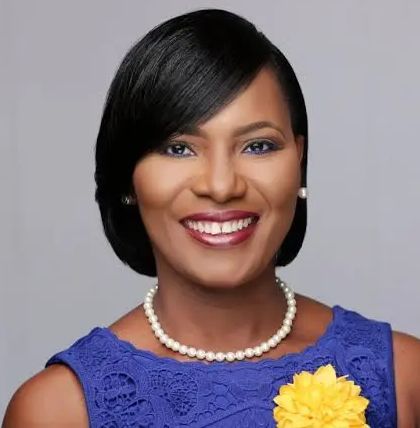
GINGER MOXEY: RELIEF IS COMING TO GRAND BAHAMA POWER
For decades, the people of Grand Bahama have lived under a quiet but crushing reality: an energy system that has …
The Phantom Leader: Why Michael Pintard is the FNM’s Greatest Liability
The Free National Movement (FNM) was once a titan of Bahamian democracy, a party of iron-willed leaders like Sir Cecil …
FNM Would Have To Increase Taxes To Pay For Campaign Promises, Independent Fiscal Analysis Finds

Economists warn the opposition’s platform cannot be delivered at current tax rates; FNM has not released a fiscal framework or …