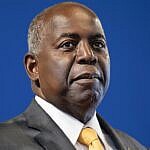









After a stunning, widely applauded Boxing Day Parade, one would have expected a moment of national reflection—perhaps even restraint—from those who, during their time in office, left little to show for themselves. Instead, in what can only be described as a panicked search for relevance, Michael Pintard abruptly emerged, brazenly offering ideas on how Junkanoo should now be “enhanced.”
The audacity is breathtaking.
For one day—one national moment of cultural pride—Pintard could not separate celebration from politics. He could not simply enjoy Junkanoo for what it is: the most potent expression of Bahamian identity, history, and resilience. Instead, he inserted himself into a space where his record offers no authority.
When Pintard held ministerial responsibility, he could not point to a single transformative policy, initiative, or institutional reform that advanced Bahamian culture, least of all Junkanoo.
No legacy.
No framework.
No strengthening of institutions.
No measurable uplift for artists, artisans, or the Junkanoo groups who carry this sacred tradition year after year.
No legacy.
No framework.
No strengthening of institutions.
No measurable uplift for artists, artisans, or the Junkanoo groups who carry this sacred tradition year after year.
Yet now—after success has already been achieved—he rushes forward, eager to attach his name to a narrative he neither shaped nor supported.
The public, however, understands something Pintard hopes they will forget: the work now unfolding did not begin overnight. The soon-to-be-established Junkanoo Authority represents a paradigm shift—one designed to transform Junkanoo fundamentally. This authority is not cosmetic. It is structural. It is intentional. It is about growth, accountability, transparency, and opportunity. It is about proper accommodations for Junkanoo groups and sustainable pathways for artists and artisans, locally and internationally.
This is not guesswork.
This is not improvisation.
This is not improvisation.
This vision was carefully developed, formally presented to Parliament, and grounded in policy, structure, and long-term national interest. Pintard knows this.
And that is precisely why he is panicking.
He sees the handwriting on the wall. He sees permanence replacing patronage. He sees institutions replacing personalities. And in his desperation, he now attempts—late, loud, and opportunistically—to impose himself on a process already in motion, hoping to infiltrate a narrative whose power and inevitability are already evident.
In stark contrast stands Mario Bowleg, the Minister responsible for Culture. Bowleg has navigated treacherous terrain—public pressure, internal resistance, sabotage, and coordinated attacks—without buckling. He did not grandstand. He did not posture. He did the work. Through resolve, courage, and clarity of purpose, he reached this point not by rhetoric, but by results.
The country sees that difference.
And the country also remembers Michael Pintard’s modus operandi: a familiar pattern of inconsistency, contradiction, and political convenience. Bahamians are not fooled by sudden cultural awakenings timed conveniently for headlines. Credibility is not claimed—it is earned. Consistency is not declared—it is demonstrated.
That is why Bahamians do not take Pintard seriously on this matter.
Because leadership in culture—especially in something as sacred as Junkanoo—cannot be retrofitted after the fact. It cannot be borrowed once momentum has shifted. It must be present in the trenches, steady under pressure, and committed even when applause is absent.
The future of Junkanoo is being shaped now—by those who stood firm when it mattered most.
And no amount of political noise will change that.
More from LOCAL
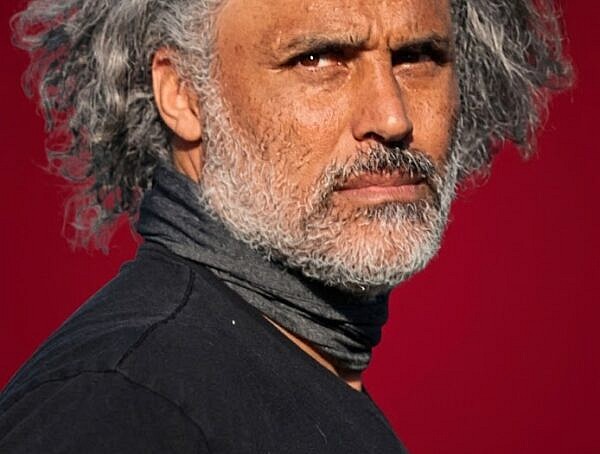
Garden Hills asking, “Is Rick Fox Unstable & Broke?” Something is not right.
The Fox in the Garden: A Question of Intent or Necessity? The political landscape of The Bahamas is no stranger to …
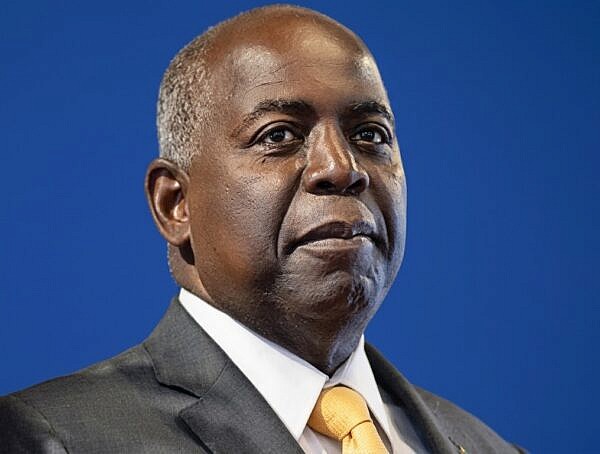
NO MORE TURNING BACK! LET US MOVE FORWARD TOWARD PROGRESS!!!!
The Case for Continuity: Why The Bahamas Must Break the Cycle of "Stop, Review, and Cancel" Progress is rarely a sprint; …
How the GBPA’s “Sign Ban” Handed Pintard an Unfair Advantage
For decades, the rhythm of Bahamian democracy has been visual. From the moment an election is called, our streets transform …