





There is something unsettling about sudden political conversions—especially when they arrive wrapped in celebrity gloss and vague promises. The abrupt interest of former NBA player Rick Fox in Bahamian politics raises more questions than it answers. Why now? Why Garden Hills? And why under the banner of a party currently wrestling with internal confusion and public scepticism?
The people of Garden Hills are not dazzled by bright lights. They are not starstruck. They are sensible, self-respecting Bahamians who understand politics beyond photo opportunities and campaign slogans. So when Fox appears on the political stage, backed by Michael Pintard, it feels less like inspiration and more like calculation.
Let us be honest: the Free National Movement is struggling with buyer’s remorse. The internal fracture that followed the sidelining of the Hubert Minnis faction did not simply create disagreement—it created distrust. Supporters who once carried the FNM on their shoulders now find themselves wondering whether they are “going or coming.” That is political no-man’s land. And no party survives long when its base feels alienated.
In that atmosphere of desperation, star power becomes tempting. Pintard may have believed that importing a recognizable name would compensate for shrinking confidence. The logic might have been simple: if you cannot unify the troops, distract the public. If you cannot rebuild trust, create spectacle.
But Garden Hills is not Hollywood.
The constituency knows its own. They know Mario Bowleg. He is constantly available to them for all of their concerns. They see him. He has implemented several programs that would enrich their lives. They understand his work. He does not require an introduction or a guided tour of his own backyard. And that is precisely why the parachuting of a celebrity candidate feels like an insult. It suggests that the people’s intelligence is secondary to campaign optics.
Even more troubling is the history that shadows Fox’s involvement with The Bahamas. Promises of housing developments that never materialized. Announcements of grand investments that faded into silence. The lingering question of whether The Bahamas was used as a credibility prop in negotiations abroad. Was the country merely a talking point to strengthen his hand in foreign ventures?
If so, what makes this political move different?
When pressed about what he has done for Bahamians since rising to basketball fame, Fox reportedly spoke of what he intends to do. Not what he has done—what he will do. That distinction matters. Politics is not a speculative investment; it is a record of service. The people of Garden Hills are not interested in theoretical generosity. They want a demonstrated commitment.
There is also the uncomfortable question: Does winning even matter to him? Or is this candidacy another line item on a résumé—another experience to reference in boardrooms and interviews? If he loses, does he return to Los Angeles unaffected while the constituency wrestles with the aftermath?
And then there is the speculation whispered in corners: is he running toward The Bahamas—or hiding within it? Hiding from what? From where? These may sound dramatic, but when transparency is thin, imagination fills the void.
Meanwhile, the FNM base in Garden Hills is restless. The dumping of the previous ground candidate has not gone unnoticed. To work diligently in a constituency only to be ceremoniously replaced is the highest form of disrespect in political culture. It tells loyalists that loyalty is expendable.
Even more symbolic is the political migration of Stephen Greenslade, once an FNM standard-bearer in 2021, now aligned elsewhere. His departure signals a broader sentiment: long-time supporters have quietly disengaged. Buyer’s remorse is not just a phrase; it is a feeling.
And no amount of money on the ground can purchase back dignity.
This episode exposes a deeper problem within the FNM. Candidate selection appears reactive rather than strategic. It feels like a shot in the dark—an act of panic rather than purpose. When leadership operates from desperation, it makes erratic decisions. And erratic decisions erode political currency faster than any opposition attack ever could.
Garden Hills is not fooled. Its residents possess high self-esteem and sharp political instincts. They recognize when they are being courted sincerely—and when they are being marketed to.
The million-dollar question lingers like humidity in August: Does Rick Fox believe the people of Garden Hills are fools?
Because if this candidacy is built on the assumption that celebrity alone can sway disciplined voters, then someone has profoundly misread the room. Bahamians may appreciate global recognition, but they vote based on authenticity, history, and respect.
In the end, this is bigger than one man or one party. It is about whether The Bahamas is treated as a serious nation or a convenient backdrop. If politics becomes a game of optics rather than substance, then everyone loses.
Garden Hills is watching. And this time, star power will not be enough.
More from LOCAL
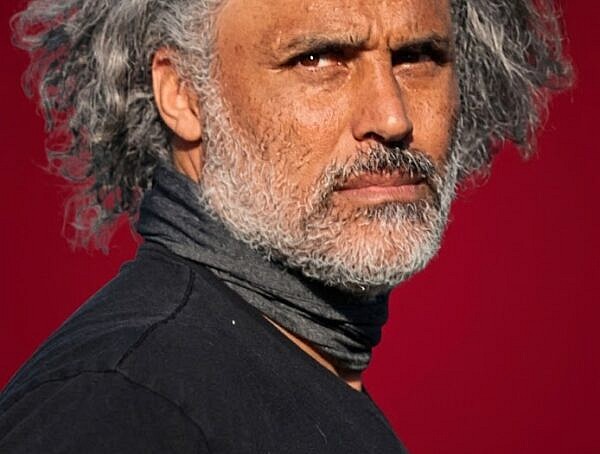
Garden Hills asking, “Is Rick Fox Unstable & Broke?” Something is not right.
The Fox in the Garden: A Question of Intent or Necessity? The political landscape of The Bahamas is no stranger to …
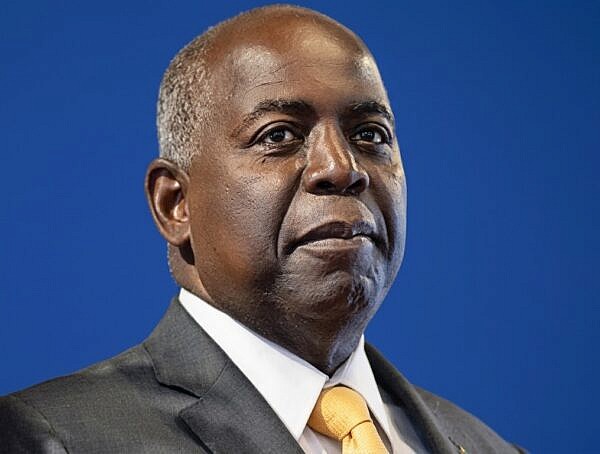
NO MORE TURNING BACK! LET US MOVE FORWARD TOWARD PROGRESS!!!!
The Case for Continuity: Why The Bahamas Must Break the Cycle of "Stop, Review, and Cancel" Progress is rarely a sprint; …
How the GBPA’s “Sign Ban” Handed Pintard an Unfair Advantage
For decades, the rhythm of Bahamian democracy has been visual. From the moment an election is called, our streets transform …