








Education has become the defining frontier of national development, and if the Davis administration is to leave a lasting legacy in this new term, then transforming the education sector must remain at the centre of its agenda. Progress has already been made, but the reality is clear: in a world driven by technology, artificial intelligence, innovation, and rapid global change, yesterday’s systems cannot prepare students for tomorrow’s challenges.
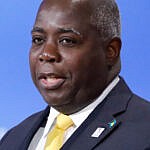
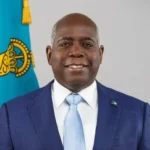
The appointment of Chester Cooper to the Ministry of Education signals that the government understands the urgency of this moment. Education is no longer simply about maintaining schools or adjusting timetables. It is about redesigning an entire national framework to prepare Bahamians to compete in the twenty-first century.
This means difficult conversations must now become unavoidable.
Curriculum reform can no longer move at a cautious pace. Methodologies tied to outdated models and third-world limitations must give way to aggressive, future-focused systems that emphasize technology, entrepreneurship, digital literacy, critical thinking, innovation, environmental sustainability, and practical skills development. The world has changed. Education must change with it.
Resistance will come. It always does.
There are those who remain attached to systems because they are familiar, even when those systems no longer serve students effectively. But transformation cannot be held hostage by nostalgia. If this administration intends to make an indelible mark, then difficult decisions must be made and implemented with conviction.
Parents and teachers understand this urgency better than anyone.
Teachers have carried extraordinary burdens over the years—working through resource shortages, adapting to technological demands, and often filling gaps beyond their job descriptions. Parents, meanwhile, have become increasingly impatient as they watch a world evolving faster than classrooms can sometimes respond. Neither group will grant a prolonged honeymoon period. Expectations are immediate, and patience is limited.
That reality now rests on Cooper’s desk.
Fortunately, his own life story suggests he is not intimidated by pressure, deadlines, or ambitious targets. His career has been built on discipline, determination, and innovation. Those qualities will now be tested in one of the country’s most consequential ministries.
Certainly, he inherits foundations laid by previous leadership, and continuity matters. But every minister also seeks to leave a signature contribution. Cooper now has the opportunity to do precisely that—not through incremental adjustments, but through bold educational transformation.
If this administration succeeds, the impact will reach far beyond classrooms. It will shape workforce readiness, economic growth, national competitiveness, and social mobility for decades.
Education is not simply another ministry portfolio. It is the engine room of national progress.
The Davis administration has begun the journey. This new chapter must accelerate it.
More from LOCAL

AGAINST ALL ODDS: SENATOR KENO WONG HITS A HOME RUN ON THE INTERNATIONAL STAGE
Life has a way of throwing curveballs. Some people face one strike, others two, and some find themselves standing at …

FNM CONCLAVE: REVIVAL OR POLITICAL FRATERNIZATION?
THE FNM IS IN QUICKSAND, the more they wiggle, the deeper they sink. The Free National Movement (FNM) is in such …

FREEPORT’S FUTURE AT RISK: IS THERE A HIDDEN AGENDA TO STRIP THE GBPA OF ITS ASSETS?
By Bahamas Herald | Opinion FREEPORT, GRAND BAHAMA — Something appears to be stirring behind the walls of the Grand Bahama …