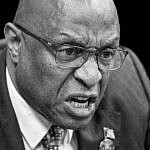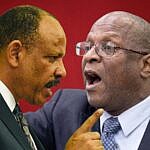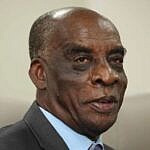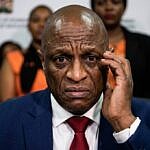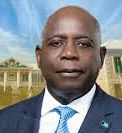





The air in Grand Bahama has grown heavy, not with the promise of industrial revitalization, but with the thick, cloying scent of political betrayal. For years, Michael Pintard positioned himself as the fiery champion of the “common man,” a leader who supposedly understood the unique struggles of a community weathered by hurricanes and economic neglect. But the mask has finally slipped, and the face revealed beneath is not that of a patriot, but of a political puppet dancing to the tune of the Grand Bahama Port Authority (GBPA).
The spectacle is as galling as it is transparent. In a move that has sent shockwaves through the electorate, Pintard has gone rogue, abandoning the very people who elevated him to defend a relic of colonial-style control. One does not need a leaked ledger to see the truth; when a leader’s rhetoric aligns perfectly with the interests of the Haywards and St. Georges over the sovereignty of his own nation, the conclusion is inescapable: Michael Pintard has sold out.
A Sovereignty Denied
As Cassius Stuart recently noted with stinging clarity, it is time to face reality with boldness. The GBPA is an artefact of a bygone era, a fractured governance model that has kept Freeport trapped in a state of perpetual paralysis. While the rest of the Caribbean—and indeed the rest of The Bahamas—strides toward modern accountability, Grand Bahama remains a “special-interest enclave” frozen in time.
This is not merely an administrative dispute; it is a battle for the soul of Bahamian sovereignty. By shielding the Port from necessary government oversight and dismantling the push for unified national authority, Pintard isn’t just playing politics—he is actively sabotaging the future of every Grand Bahamian. He has chosen the side of the stagnant few over the aspiring many.
The Collapse of the FNM
Pintard’s freefall into this abyss is the final, spectacular flourish in the collapse of the Free National Movement. What was once a formidable political force is now a hollowed-out shell, haemorrhaging support and dignity in equal measure. The party of Ingraham has become a defensive shield for corporate interests that have failed to meet their developmental mandates.
The internal rot is now visible to all:
- Voter Displeasure: Long-time FNM stalwarts are no longer whispering their frustrations; they are shouting them. The embarrassment is palpable.
- Campaign Lethargy: The lack of grassroots energy suggests a party that has already conceded defeat, preferring to retreat into the boardrooms of their benefactors rather than face the voters on the street.
- Purpose Lost: By prioritizing the Port over the people, the FNM has effectively abdicated its role as a viable alternative government.
The Reckoning Ahead
Grand Bahama cannot remain in limbo. The people deserve progress, not a protectorate. They deserve a government that treats them as an integral part of a unified nation, not as subjects of an outdated arrangement that prizes profit over public welfare.
The voters of Grand Bahama are not blind. They see the “Pintard Pivot” for what it is: a desperate attempt to maintain relevance by clinging to the coattails of the old guard. The FNM leadership may think they can weather this storm by hiding behind legalistic defences of the Hawksbill Creek Agreement. Still, they have forgotten the most fundamental rule of Bahamian politics: The people’s patience is not infinite.
The next election is no longer just a contest between parties; it is a referendum on whether Grand Bahama belongs to the Bahamian people or to a private club. Pintard has made his choice. When the polls open, the people will undoubtedly make theirs.
More from LOCAL
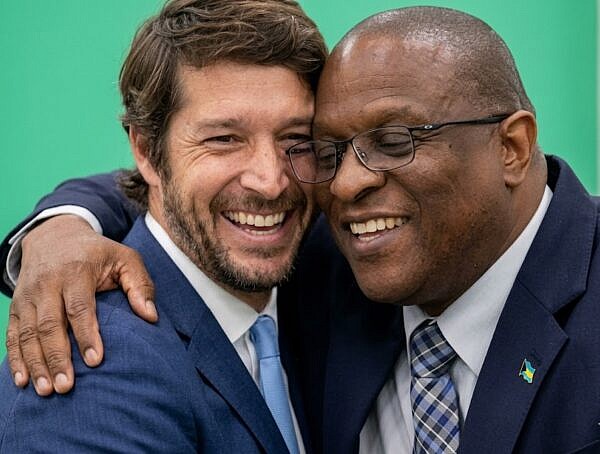
How the GBPA’s “Sign Ban” Handed Pintard an Unfair Advantage
For decades, the rhythm of Bahamian democracy has been visual. From the moment an election is called, our streets transform …
“RELIEF IS COMING”: PUBLIC HOSPITALS AUTHORITY ANNOUNCES MAJOR RECLASSIFICATION AND PROMOTION EXERCISE
NASSAU, Bahamas — The Public Hospitals Authority (PHA) is proud to announce the commencement of a structured, comprehensive reclassification and …
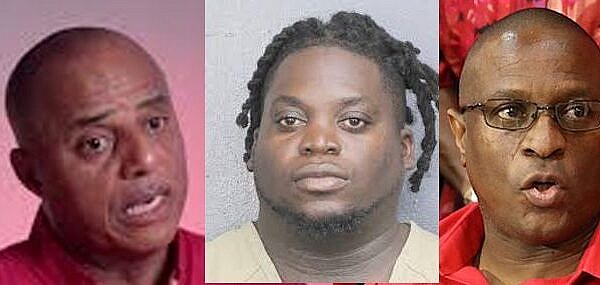
IS DAMES MAN MALCOLM GOODMAN CUTTING A DEAL?
The Ghost of Mount Moriah: Why the Dames Drug Bust is the FNM’s Final Crack The political air in the Bahamas …