






The Free National Movement now finds itself in a troubling position, and many of its supporters must be asking a difficult question: What has happened to the party they once believed in?
For years, the FNM projected itself as a disciplined political machine built on structure, leadership development, and internal competition. It was a party that cultivated personalities, rewarded loyalty, and positioned itself as a serious governing alternative. Today, however, the optics being created suggest a movement increasingly consumed by internal insecurity rather than renewal.
The latest discussion surrounding possible Senate appointments has only intensified those concerns. The reported absence of names such as Deputy Leader Shanendon Cartwright and former Health Minister Duane Sands has sparked conversation among supporters and observers alike. Whether intentional or not, political messages are often sent not by who is selected, but by who is left out.
If senior figures who carry influence, experience, and support within the party continue to be sidelined, many will inevitably conclude that internal survival is taking precedence over party building.
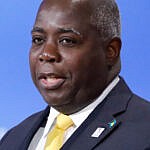
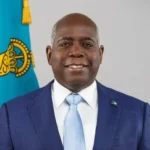
That is where the concern surrounding Michael Pintard grows.
Politics is about managing allies, building coalitions, and preparing future leadership. But when a leader begins operating from a position of constant political defence, suspicion can replace strategy. Every capable figure becomes a potential rival. Every strong voice becomes a threat. Every independent personality becomes someone to manage rather than someone to empower.
The danger in that mindset is enormous.
A party cannot grow if it becomes centred on protecting one leader’s position. It cannot attract talent if ambition is viewed with distrust. It cannot rebuild if experienced people are perceived as liabilities rather than assets.
Supporters want strength. They want confidence. They want to believe their party has depth and direction.
Instead, the impression is forming that the FNM is politically shrinking at the very moment it should be expanding.
Many FNM supporters are likely embarrassed—not because the party lost power, but because the post-election period should have been about reflection, rebuilding, and presenting a united front. Instead, conversations are increasingly about exclusion, internal tensions, and political calculations.
That is not an attractive image for a party trying to reconnect with the electorate.
The FNM’s challenge is larger than personalities. It is about identity.
Does it remain a broad movement capable of developing multiple leaders? Or does it become a political structure narrowed by mistrust and survival politics?
Michael Pintard may be fighting for his political future, but leaders must be careful that in protecting themselves, they do not weaken the institution they lead.
Because parties recover from defeat.
Recovering from internal erosion is far more difficult.
Pintard has burned the FNM to the ground; whoever takes over will have nothing left to work with.
More from LOCAL
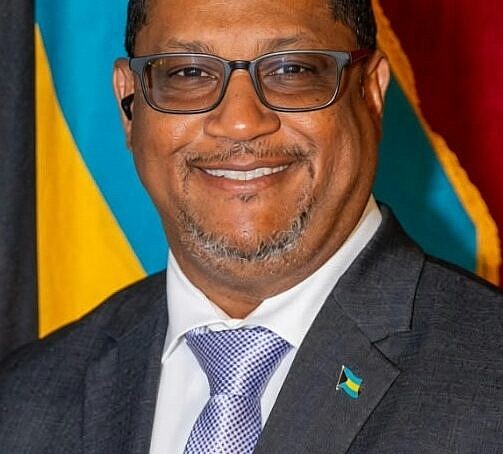
AGAINST ALL ODDS: SENATOR KENO WONG HITS A HOME RUN ON THE INTERNATIONAL STAGE
Life has a way of throwing curveballs. Some people face one strike, others two, and some find themselves standing at …
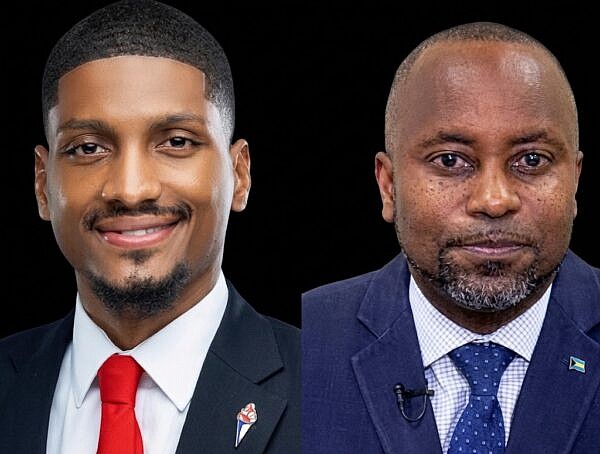
FNM CONCLAVE: REVIVAL OR POLITICAL FRATERNIZATION?
THE FNM IS IN QUICKSAND, the more they wiggle, the deeper they sink. The Free National Movement (FNM) is in such …
FREEPORT’S FUTURE AT RISK: IS THERE A HIDDEN AGENDA TO STRIP THE GBPA OF ITS ASSETS?
By Bahamas Herald | Opinion FREEPORT, GRAND BAHAMA — Something appears to be stirring behind the walls of the Grand Bahama …