









The honeymoon period for any new administration is brief, defined not by the lofty promises made on the campaign trail but by the tangible speed at which it can translate policy into action. However, across our government offices, a quiet, insidious insurgency is underway. It is not an ideological battle, but a bureaucratic one—a “business as usual” approach that has become a weapon of sabotage. If this new administration intends to succeed, it must recognize that it cannot build a future while burdened by the ghosts of a stalled past.
For too long, vendors—the lifeblood of our infrastructure and road development projects—have been held hostage by a system that seems designed to frustrate. After navigating exhaustive procurement processes and satisfying every due diligence requirement, these business owners find themselves staring into a void. Months pass without payment, communication, or accountability.
The human cost of this stalemate is rarely discussed in policy papers. A vendor is not a faceless entity; it is a collection of employees waiting for paychecks, a payroll that must be met, and families whose livelihoods depend on the government honouring its contracts. When payments are intentionally delayed, or files are buried under the pretence of “further review” by permanent secretaries and financial officers, it is not just the vendor who suffers—it is the economy. The rumour mill begins to churn, whispers of “the government is broke” spread, and the administration’s credibility erodes, not because of fiscal insolvency, but because of administrative incompetence and calculated obstruction.
There is a pervasive culture of gatekeeping within the upper echelons of the civil service. We have seen the same senior officers move from desk to desk, year after year, perfecting the art of the stall. These individuals operate as if they are the true architects of policy, using their positions to stifle progress and maintain the status quo. When they are finally cycled out, they are often brought back on lucrative contracts, returning to the very same positions to resume their patterns of obstruction. This cycle of recycling the same culprits is a slap in the face to taxpayers and a barrier to any meaningful reform.
If the new administration is to make headway, it must conduct a ruthless “spring cleaning” of the bureaucracy. This is not about political purging; it is about performance and integrity. We need a reshuffle that prioritizes efficiency over seniority. Those who have reached the end of their tenure must be encouraged to retire, and the practice of hiring retired officers on contract to oversee the very departments they once led must end immediately.
The public voted for change, not for a continuation of the stalemate. We want to see road improvements that are front and centre, not buried in a filing cabinet on a permanent secretary’s desk. We want an infrastructure plan that moves at the speed of the 21st century, not one paralyzed by the inertia of the past.
The administration’s success hinges on its ability to command its own house. It cannot claim to be building a new nation while allowing the old guard to sabotage the foundation. It is time to clear the deadwood, streamline the payment processes, and restore the trust between the government and its partners. Anything less than a total overhaul of this stagnant culture will ensure that this term, like so many before it, ends with little more than broken promises and unpaid invoices. The choice is simple: either dismantle the machinery of sabotage, or be consumed by it.
More from LOCAL

AGAINST ALL ODDS: SENATOR KENO WONG HITS A HOME RUN ON THE INTERNATIONAL STAGE
Life has a way of throwing curveballs. Some people face one strike, others two, and some find themselves standing at …

FNM CONCLAVE: REVIVAL OR POLITICAL FRATERNIZATION?
THE FNM IS IN QUICKSAND, the more they wiggle, the deeper they sink. The Free National Movement (FNM) is in such …
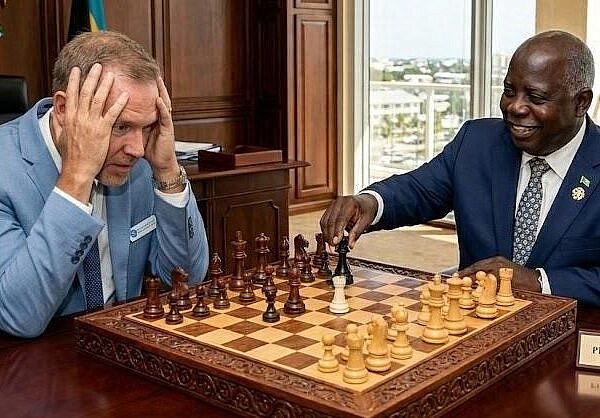
FREEPORT’S FUTURE AT RISK: IS THERE A HIDDEN AGENDA TO STRIP THE GBPA OF ITS ASSETS?
By Bahamas Herald | Opinion FREEPORT, GRAND BAHAMA — Something appears to be stirring behind the walls of the Grand Bahama …