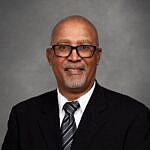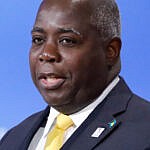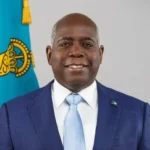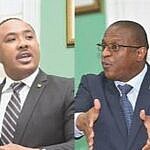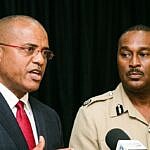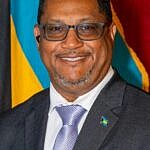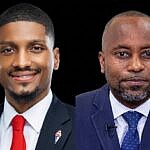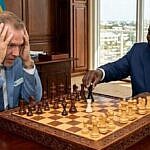








The Bahamas stands at a crossroads, calling for leadership that reflects the nation’s values. At the centre are two contrasting figures: Philip Davis and Michael Pintard. Their governance styles, temperaments, and philosophies provide Bahamians with a clear lens through which to assess the future.
Philip Davis embodies leadership rooted in compassion and consistent action. His reputation is built not on grandstanding but on helping individuals from all walks of life. Stories of his generosity come from ordinary citizens—some unaffiliated with his party—highlighting his impact beyond partisan boundaries.
Davis’ kindness is his calling card.
Davis’s governance reflects this ethos. Policies such as the free breakfast program are not abstract political tools but tangible expressions of a belief that government has a role in ensuring dignity and opportunity for all. Critics may debate the scope of such programs, but their underlying intent—to address real hardship—signals an administration attuned to its people’s lived realities. Initiatives such as support from the Small Business Development Centre (SBDC) further underscore a commitment to empowerment, providing pathways for Bahamians to build and sustain livelihoods.
The National Youth Guard is a prime example of forward thinking, showing that it needed to rescue the next generation in the program that did several things. NYG brought discipline to a youth who saw fit to use their time wisely rather than go down the path of negativity. A sense of pride was experienced by the many cohorts who learned to survive, became qualified first responders to save others, and acquired the relevant skills to put themselves in a position to possibly join the uniformed branches of government, that is, Police, Defence, and Immigration.
In stark contrast stands Michael Pintard, whose public persona often raises questions about temperament and priorities. Leadership, particularly at the national level, demands a steady hand, measured responses, and the ability to engage respectfully even in disagreement. Yet Pintard has frequently been characterized as quick to anger, prone to sharp rhetoric, and dismissive of opposing views. Such tendencies, if left unchecked, risk creating an environment of division rather than unity.
More concerning is the philosophical divide his positions suggest. Pintard emphasizes individual self-reliance, often framed as “pulling oneself up by the bootstraps.” While personal responsibility matters, this perspective can be problematic when it dismisses structural challenges. Not every child in the school breakfast program comes from a household that can afford it. Viewing these initiatives as unnecessary overlooks the complex realities of poverty.
This perceived lack of sensitivity extends to other policy areas as well. Pintard’s resistance to measures aimed at lowering electricity costs in Freeport, for instance, has raised eyebrows among residents already grappling with limited economic opportunities. Leadership requires not only fiscal prudence but also empathy—an understanding that policy decisions have direct consequences on people’s daily lives. When those consequences are dismissed or minimised, it creates a sense of detachment that is difficult to reconcile with effective governance.
Equally troubling are proposals that appear more performative than substantive. The promise of $200 assistance to single mothers, for example, has been criticised as a superficial gesture rather than a meaningful solution. In politics, credibility hinges on trust, and trust is built when promises are both realistic and rooted in genuine intent. When initiatives feel like short-term tactics rather than long-term strategies, scepticism naturally follows.
The broader concern is the influence shaping these perspectives. Critics argue that Pintard’s approach reflects the priorities of elite circles—those insulated from the struggles of everyday Bahamians. Whether or not this perception is entirely fair, it highlights a critical point: leadership must bridge divides, not deepen them. A government perceived as aligned with privilege rather than people risks losing the very legitimacy it seeks to uphold.
The suggestion of a national lottery further complicates this narrative. While such initiatives can generate revenue, questions about motivation and implementation matter. If the perception takes hold that policies are designed to benefit a select few rather than the broader population, public confidence erodes.
The Bahamas faces a choice between two governance visions: one focused on compassion and inclusion, the other raising concerns about temperament, empathy, and alignment with ordinary citizens’ needs.
In moments like these, nations define themselves not just by the decisions they make, but by the values those decisions reflect. The Bahamas has the opportunity to affirm what it stands for—whether that is a society anchored in shared progress and mutual support, or one that leans toward a more detached, individualistic approach. The stakes, as always, are not abstract. They are measured in the everyday lives of the Bahamian people.
Imagine a leader who is calm, respected, and collected, versus one who “blows his gasket” under pressure, disparages others, and hurts our good name internationally. A man who disrespects others without reservation. Take your pick.
More from LOCAL
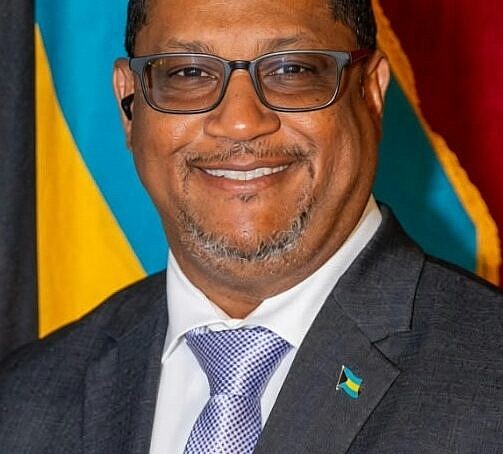
AGAINST ALL ODDS: SENATOR KENO WONG HITS A HOME RUN ON THE INTERNATIONAL STAGE
Life has a way of throwing curveballs. Some people face one strike, others two, and some find themselves standing at …
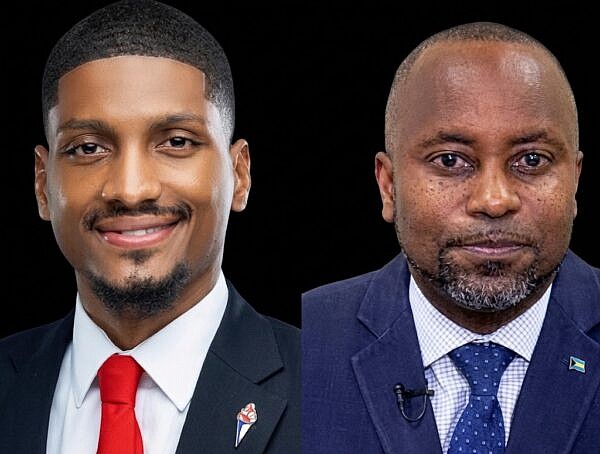
FNM CONCLAVE: REVIVAL OR POLITICAL FRATERNIZATION?
THE FNM IS IN QUICKSAND, the more they wiggle, the deeper they sink. The Free National Movement (FNM) is in such …
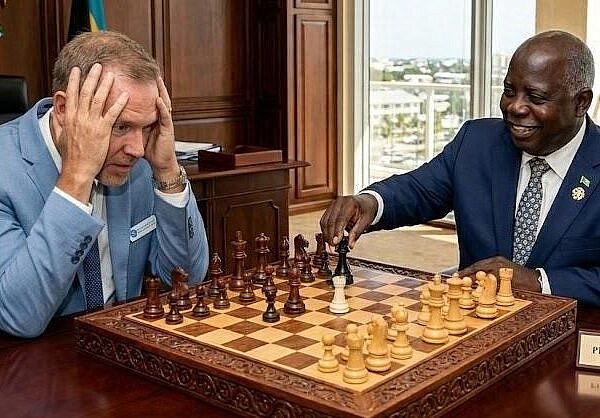
FREEPORT’S FUTURE AT RISK: IS THERE A HIDDEN AGENDA TO STRIP THE GBPA OF ITS ASSETS?
By Bahamas Herald | Opinion FREEPORT, GRAND BAHAMA — Something appears to be stirring behind the walls of the Grand Bahama …