






Hubert Minnis has every democratic right to criticise those who govern The Bahamas.
But the former prime minister’s interventions cannot reasonably be separated from his own political record.
The electorate delivered a devastating judgment on the FNM government he led in 2021, reducing the party to just seven seats, although Minnis himself retained Killarney. Five years later came an even more personal rejection: running as an independent, Minnis lost the Killarney constituency he had represented since 2007, receiving only a fraction of the support the leading candidates secured.
Then there is Oban.
The infamous 2018 ceremonial signing occurred with Minnis present. Peter Krieger signed another man’s name, while the document subsequently tabled in Parliament carried Satpal Dhunna’s signature. Minnis later acknowledged that his government had made “missteps,” conceded that more comprehensive due diligence should have occurred and admitted that the public had not initially been told the televised signing was ceremonial.
There is also a legitimate question about a prime minister’s responsibility when discussing his country abroad. Minnis faced criticism after making international statements about corruption in The Bahamas, including claims concerning enormous economic losses from corruption. His political opponents accused him at the time of damaging the country’s international reputation.
Calling such speech “treason” would overstate the legal position. But the underlying principle is worth debating: a head of government carries an extraordinary responsibility when describing his nation before an international audience. Words can affect confidence, reputation and investment.
Minnis may continue pointing fingers. The public is equally entitled to point back, to Oban, to 2021, to his international rhetoric, and finally to Killarney in 2026.
Public life has a long memory.
The electorate delivered a devastating judgment on the FNM government he led in 2021, reducing the party to just seven seats, although Minnis himself retained Killarney. Five years later came an even more personal rejection: running as an independent, Minnis lost the Killarney constituency he had represented since 2007, receiving only a fraction of the support the leading candidates secured.
Then there is Oban.
The infamous 2018 ceremonial signing occurred with Minnis present. Peter Krieger signed another man’s name, while the document subsequently tabled in Parliament carried Satpal Dhunna’s signature. Minnis later acknowledged that his government had made “missteps,” conceded that more comprehensive due diligence should have occurred and admitted that the public had not initially been told the televised signing was ceremonial.
There is also a legitimate question about a prime minister’s responsibility when discussing his country abroad. Minnis faced criticism after making international statements about corruption in The Bahamas, including claims concerning enormous economic losses from corruption. His political opponents accused him at the time of damaging the country’s international reputation.
Calling such speech “treason” would overstate the legal position. But the underlying principle is worth debating: a head of government carries an extraordinary responsibility when describing his nation before an international audience. Words can affect confidence, reputation and investment.
Minnis may continue pointing fingers. The public is equally entitled to point back, to Oban, to 2021, to his international rhetoric, and finally to Killarney in 2026.
Public life has a long memory.
More from LOCAL

VJ Edgecombe’s Patriotism Deserves Praise, Not Criticism
An Opinion by a Proud Bahamian There is something deeply inspiring about a young Bahamian athlete who understands that representing his …
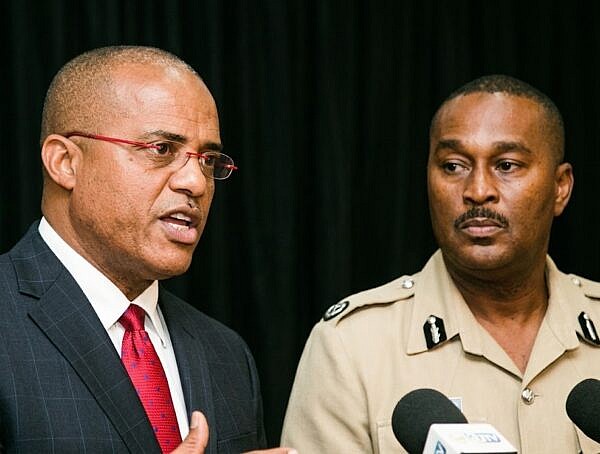
ACP CHASWELL HANNA & FNM MARVIN DAMES VISA REVOKED?
Dr Chaswell A. Hanna Assistant Commissioner of Police School-Based Policing & Training and Former Minister of National Security Marvin Dames …
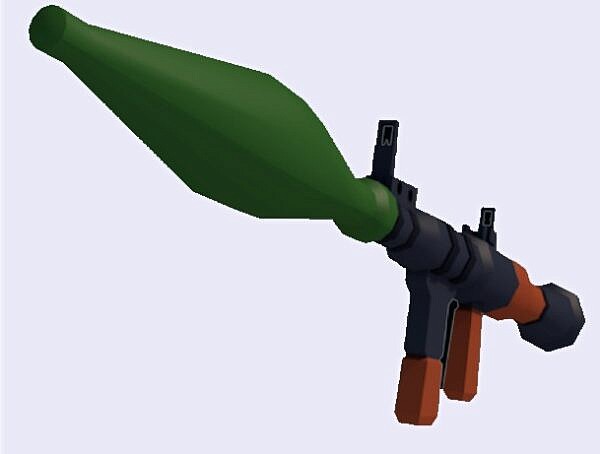
An RPG Under A Stove — Police Baffled as Illegal Firearms Crackdown Takes Shocking Turn
Police in their quest to crack down on the proliferation of illegal firearms are baffled tonight. In what is perhaps the …