







“Change is where we are going”, its inevitable, and Dillon Knowles must stop defending the status quo and put Grand Bahamians first, nothing more and nothing less.
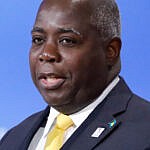
Prime Minister Philip Davis has delivered a message that should resonate with every Grand Bahamian who has watched Freeport struggle to fulfil its enormous economic potential: “Change is where we are going.”
Yet, rather than embrace this opportunity for meaningful reform, Chamber of Commerce President Dillon Knowles appears determined to defend a governance arrangement that has left too many Grand Bahamians economically frustrated, politically marginalised and uncertain about their future.
His warning that proposed changes to the Hawksbill Creek Act could spell disaster for small and medium-sized Bahamian businesses trivialises the seriousness of the Prime Minister’s announcement and distracts from the fundamental question Davis has courageously placed before the nation:
“Who governs Grand Bahama and in whose interest does Grand Bahama govern?”
That question goes to the heart of the problem. It is not simply about investment concessions, tax advantages, or protecting developers’ interests. It is about accountability, economic justice, democratic governance, and the right of Grand Bahamians to benefit meaningfully from developing their own island.
Knowles is correct about one thing: the Hawksbill Creek Agreement played a historic role in establishing Freeport as an important economic centre. Nobody seriously disputes that contribution.
But acknowledging yesterday’s achievements cannot excuse ignoring today’s failures.
Freeport has stalled. Its economic promise remains substantially unfulfilled. Too many businesses struggle, too many young people seek opportunities elsewhere, and too many communities have waited decades for the prosperity they were promised.
Surely Knowles cannot believe that a governance structure should remain largely untouched simply because it produced impressive results more than half a century ago.
The real issue is not whether the Hawksbill Creek Agreement helped build Freeport. The issue is whether its existing governance arrangements are adequately serving Grand Bahamians today.
Knowles conveniently directs his criticism toward successive governments while largely avoiding an equally important examination of the Grand Bahama Port Authority’s responsibilities under the Hawksbill Creek Agreement.
The GBPA was not merely handed extraordinary privileges. Those privileges came with obligations.
The agreement contemplated developing and maintaining infrastructure, essential services, and an environment conducive to sustained economic growth. The Port Authority’s performance in fulfilling those responsibilities deserves rigorous public scrutiny.
Where obligations have not been met, accountability is required. Where development has stagnated, there must be explanations. Where the people have been disadvantaged, there must be remedies.
Knowles cannot credibly champion the protections in the agreement while treating the GBPA’s corresponding responsibilities as secondary.
Rights and obligations are inseparable.
The Prime Minister’s announcement recognises that fundamental principle.
His proposed Grand Bahama Development Council, comprehensive review of the Hawksbill Creek Agreement and new Grand Bahama Development Act represent an opportunity to modernise governance, strengthen accountability and create a more inclusive development framework.
These proposals should not be mistaken for an indiscriminate attack on investors.
Indeed, Davis has indicated that reform will proceed through consultation and legislative action while respecting lawful commercial rights and legitimate investment interests.
That distinction matters.
Knowles raises legitimate questions about maintaining investor certainty and protecting small Bahamian businesses. Those concerns deserve consideration. But they do not justify dismissing an entire reform programme before its detailed legislative provisions have even been presented.
Protecting investment differs considerably from perpetuating institutional control without sufficient public accountability.
The two should never be confused.
Grand Bahamians should also reject the suggestion that their economic future must depend indefinitely upon a private authority exercising extraordinary governance powers under arrangements established generations ago.
Freeport’s residents are not merely occupants of an investment zone. They are citizens of an independent Bahamas, entitled to transparent governance, effective representation, and institutions that respond to their needs.
The Port Authority’s historic influence over Freeport’s development must not become a permanent stranglehold on its people’s aspirations.
Knowles argues that the government should negotiate the return of certain administrative responsibilities without repealing the underlying legislation. That possibility deserves examination, but it is not a substitute for comprehensive reform.
The central question is whether the existing framework can deliver the accountability, fairness and development Grand Bahama now requires.
If amendments are necessary, pursue them. If governance responsibilities must change, they must change. And if longstanding arrangements obstruct progress, we cannot treat them as untouchable.
Grand Bahama needs constructive leadership now, not alarmist declarations about economic catastrophe.
As a prominent business voice, Knowles can help shape reforms that preserve legitimate investment protections while demanding stronger performance and accountability from the GBPA.
He should seize that opportunity instead of defending the status quo.
Prime Minister Davis has opened a necessary national conversation about power, responsibility and the future of Grand Bahama.
The people deserve a meaningful place in that conversation.
Freeport was built through bold decisions. Its renewal will require equally bold decisions.
The Hawksbill Creek Agreement must serve the people, not the other way around.
The era of unquestioned private dominance must give way to a modern framework of shared prosperity, transparency and public accountability.
Grand Bahama cannot afford another generation of excuses.
Change is where we are going. And this time, the people of Grand Bahama must be the principal beneficiaries.
More from LOCAL
Rebuilding Trust in Grand Bahama: How Action is Replacing Anxiety
For years, the people of Grand Bahama have lived in a state of quiet vigilance and justified anxiety. They have …
The Shipyard Mandate: Why Grand Bahama Must Finally Anchor in Bahamian Sovereignty
Choosing a dry dock to chart an entire island's economic future carries a profound, poetic gravity. When Prime Minister Philip …
The FNM Has Dug a Hole So Deep, It May No Longer See Daylight
By refusing to confront its leadership crisis, alienating its supporters, and letting personal ambitions overshadow party unity, the Free National …