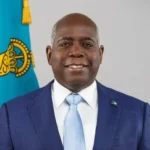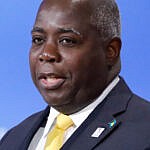








Michael Pintard’s latest response to comments made by former Prime Minister Hubert Ingraham suggests a leader who is thinking less about the immediate controversy and more about protecting his political future. In his interview with Zhivargo Laing, Pintard appeared determined to demonstrate that he would not be intimidated. Anyone familiar with his public persona knows he rarely misses an opportunity to remind audiences of his personal journey and resilience, reinforcing the image that he is not easily shaken.
What stood out, however, was not simply his rejection of criticism. It was the intensity with which he addressed Ingraham’s remarks, even though the former prime minister never called him out by name. Pintard’s response gave the impression that his greater concern was the forum and implications of the comments rather than engaging the substance of the criticism itself.
Viewed in a broader context, this episode fits a pattern that has defined Pintard’s leadership. Since assuming control of the Free National Movement, he has made decisions that many observers believe were aimed at consolidating his position within the party. His handling of former Prime Minister Hubert Minnis is often cited as an example. By denying Minnis a nomination and allowing him to become increasingly isolated within the organisation, Pintard effectively removed one of the few figures capable of challenging his authority.
A similar argument has been made regarding Shannon Cartwright. Rather than finding a place for Cartwright in the Senate to preserve institutional memory and maintain continuity within the party’s leadership, Pintard chose another path. Many political strategists would argue that retaining experienced voices in some capacity helps strengthen a party after electoral defeat. Instead, critics contend that the decision further marginalized another influential figure, reinforcing the perception that loyalty to Pintard had become the defining criterion for advancement.
Whether one agrees with those decisions or not, they point to a leadership style focused on securing control before addressing broader questions about rebuilding the party. That is why some voices within the FNM believe Pintard has little intention of voluntarily placing his leadership at risk. Ingraham’s recent comments may now provide an additional justification for delaying any discussion about a leadership convention, allowing Pintard to argue that unity must take precedence over internal contests.
If that is indeed the strategy, it carries significant risks. While projecting strength may reassure supporters, postponing opportunities for members to debate the party’s direction could deepen frustrations among those who believe the FNM needs renewal after electoral setbacks.
Privately, several senior party figures are said to be expressing concern that the organisation has been placed in a difficult position. Although few are willing to speak publicly, there is an unmistakable sense that unresolved leadership questions continue to hang over the party. Whether Pintard ultimately calls a convention sooner or later, the issue is unlikely to disappear. Leadership secured by consolidating authority may prove durable, but it will ultimately be judged by whether it also restores confidence in the party’s future.
More from LOCAL
FREEPORT’S FUTURE AT RISK: IS THERE A HIDDEN AGENDA TO STRIP THE GBPA OF ITS ASSETS?
By Bahamas Herald | Opinion FREEPORT, GRAND BAHAMA — Something appears to be stirring behind the walls of the Grand Bahama …
“CHANGE IS WHERE WE ARE GOING”. DILLON KNOWLES MUST PUT GRAND BAHAMIANS FIRST
"Change is where we are going", its inevitable, and Dillon Knowles must stop defending the status quo and put Grand …
Rebuilding Trust in Grand Bahama: How Action is Replacing Anxiety
For years, the people of Grand Bahama have lived in a state of quiet vigilance and justified anxiety. They have …