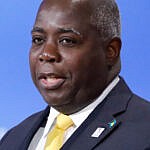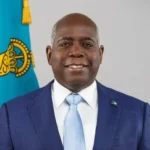







The Free National Movement (FNM) has never been a stranger to internal warfare. From leadership battles to public feuds, the party has repeatedly demonstrated that its fiercest opponents are often found within its own ranks. If the latest manoeuvrings against Michael Pintard are to be believed, history is once again repeating itself.
Reports of efforts to remove Pintard as leader should surprise no one. The FNM has a well-established precedent for internal upheaval. Bahamians will recall the dramatic events surrounding the removal of Hubert Minnis as Leader of the Opposition and the elevation of Loretta Butler-Turner. That episode exposed a deeply divided party, willing to settle differences through political ambush rather than unity. While the personalities have changed, the script appears remarkably familiar.
If Pintard no longer enjoys the confidence of influential figures within the party, he must seriously consider whether remaining serves any meaningful purpose. Leadership without trust is little more than a title. A leader who is second-guessed, undermined and constantly looking over his shoulder cannot effectively articulate a vision or prepare a government party.
Politics is demanding enough without having to wage a daily battle against one’s own colleagues. Remaining in an organisation where every decision is questioned, and every move is interpreted through the lens of internal rivalry, is neither productive nor healthy. At some point, perseverance becomes self-inflicted punishment.
Should Pintard conclude that he no longer has the support necessary to lead, there is dignity in walking away. Resigning from Parliament and returning to support the Grand Bahama Port Authority in securing a livelihood for his family would not constitute defeat. It would show that personal integrity and professional fulfilment matter more than clinging to a position stripped of authority.
The FNM must also confront its own culture. A political party cannot hope to inspire national confidence if it repeatedly consumes its own leaders. Constant internal conflict breeds instability, distracts from policy development and erodes public trust. The party’s recurring leadership crises have become part of its political identity, and each new chapter reinforces the perception that internal division has become the norm rather than the exception.
Ultimately, if Michael Pintard cannot lead because others refuse to let him, remaining only validates those who seek to weaken him. Sometimes the strongest political statement is not to fight for a seat at the table, but to leave it altogether.
The FNM just devoured Hubert Minnis; now they are swallowing Pintard. What will happen to the next leader? Would they be barbecued?
More from LOCAL
AGAINST ALL ODDS: SENATOR KENO WONG HITS A HOME RUN ON THE INTERNATIONAL STAGE
Life has a way of throwing curveballs. Some people face one strike, others two, and some find themselves standing at …
FNM CONCLAVE: REVIVAL OR POLITICAL FRATERNIZATION?
THE FNM IS IN QUICKSAND, the more they wiggle, the deeper they sink. The Free National Movement (FNM) is in such …
FREEPORT’S FUTURE AT RISK: IS THERE A HIDDEN AGENDA TO STRIP THE GBPA OF ITS ASSETS?
By Bahamas Herald | Opinion FREEPORT, GRAND BAHAMA — Something appears to be stirring behind the walls of the Grand Bahama …