








In a fiercely competitive global landscape, capital does not simply go where it is invited; it goes where it is understood and protected. For years, offshore financial centres have wrestled with shifting regulatory demands and rising compliance hurdles. By rolling out a sweeping strategy designed to attract international family offices, the Government is making a decisive, sophisticated pivot.
Announced by Minister of Economic Affairs Senator Jerome Fitzgerald at the AIBT Nassau Conference, the administration’s new initiatives cut straight to what private wealth seeks most: friction-free succession and administrative certainty. Chief among these reforms is the pledge to eliminate Value Added Tax (VAT) from trust services by the end of 2026, alongside removing VAT on property transfers into trusts for specified beneficiaries like family members.
As Senator Fitzgerald aptly observed, “VAT should not penalize anyone who chooses to plan ahead.” Taxing succession planning has long been counterproductive, creating unnecessary friction at the exact moment assets transition between generations. Removing this barrier modernises Bahamian trust structures, lowers administrative costs, and aligns our tax policy with industry realities.
Yet, tax relief alone does not secure long-term capital. True competitiveness requires an operational framework that functions as smoothly as the private enterprises it seeks to draw. That is where the broader blueprint shines. The establishment of the Bahamas Invest Concierge service, set to launch from a dedicated facility before year-end, addresses the perennial bottleneck of bureaucratic fragmentation. By providing a single point of contact across immigration, licensing, exchange control, and investment approvals, The Bahamas is finally packaging its sovereign efficiency as an asset.
When international wealth establishes a genuine family office, the dividends extend far beyond headline investment figures. A family office establishes roots. It generates demand for top-tier Bahamian attorneys, accountants, bankers, and wealth managers. It brings substantial operational spending into the domestic market, drives direct investment into local ventures, supports philanthropic initiatives, and spurs commercial real estate activity.
Equally vital is the forthcoming Bahamas Tax Residency Certificate framework, which establishes clear tax residency rules anchored by a 90 non-consecutive-day presence. In an era where global transparency standards are paramount, ambiguous residency frameworks invite international scrutiny. A transparent, rules-based threshold protects the jurisdiction’s reputation while giving families the legal clarity they need to make twenty- and thirty-year decisions.
Some sceptics invariably question whether accommodating foreign wealth sidelines domestic priorities. The reality of modern financial services is quite the opposite. Well-regulated private wealth does not displace local enterprise; it fertilizes it. High-value professional jobs cannot be created in an economic vacuum. By treating “certainty as a product in and of itself,” The Bahamas is refusing to rest on lifestyle and geographic proximity alone.
Through coordinated administrative reform, sensible tax rationalization, and a focus on transparency, this package strikes the right balance. It positions The Bahamas not as a passive offshore repository, but as the most responsive, trusted, and sophisticated international financial services hub in the hemisphere.
More from LOCAL
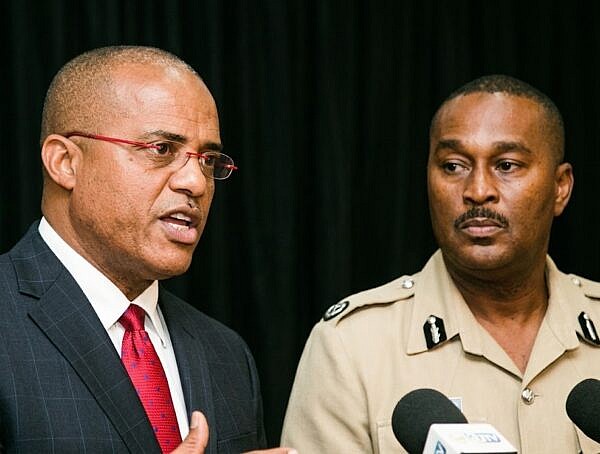
ACP CHASWELL HANNA & FNM MARVIN DAMES VISA REVOKED?
Dr Chaswell A. Hanna Assistant Commissioner of Police School-Based Policing & Training and Former Minister of National Security Marvin Dames …

An RPG Under A Stove — Police Baffled as Illegal Firearms Crackdown Takes Shocking Turn
Police in their quest to crack down on the proliferation of illegal firearms are baffled tonight. In what is perhaps the …

Facing the Mirror of Solidarity
Trade unionism was never designed to be an individual’s personal shield; it is a sacred collective trust built on accountability, …